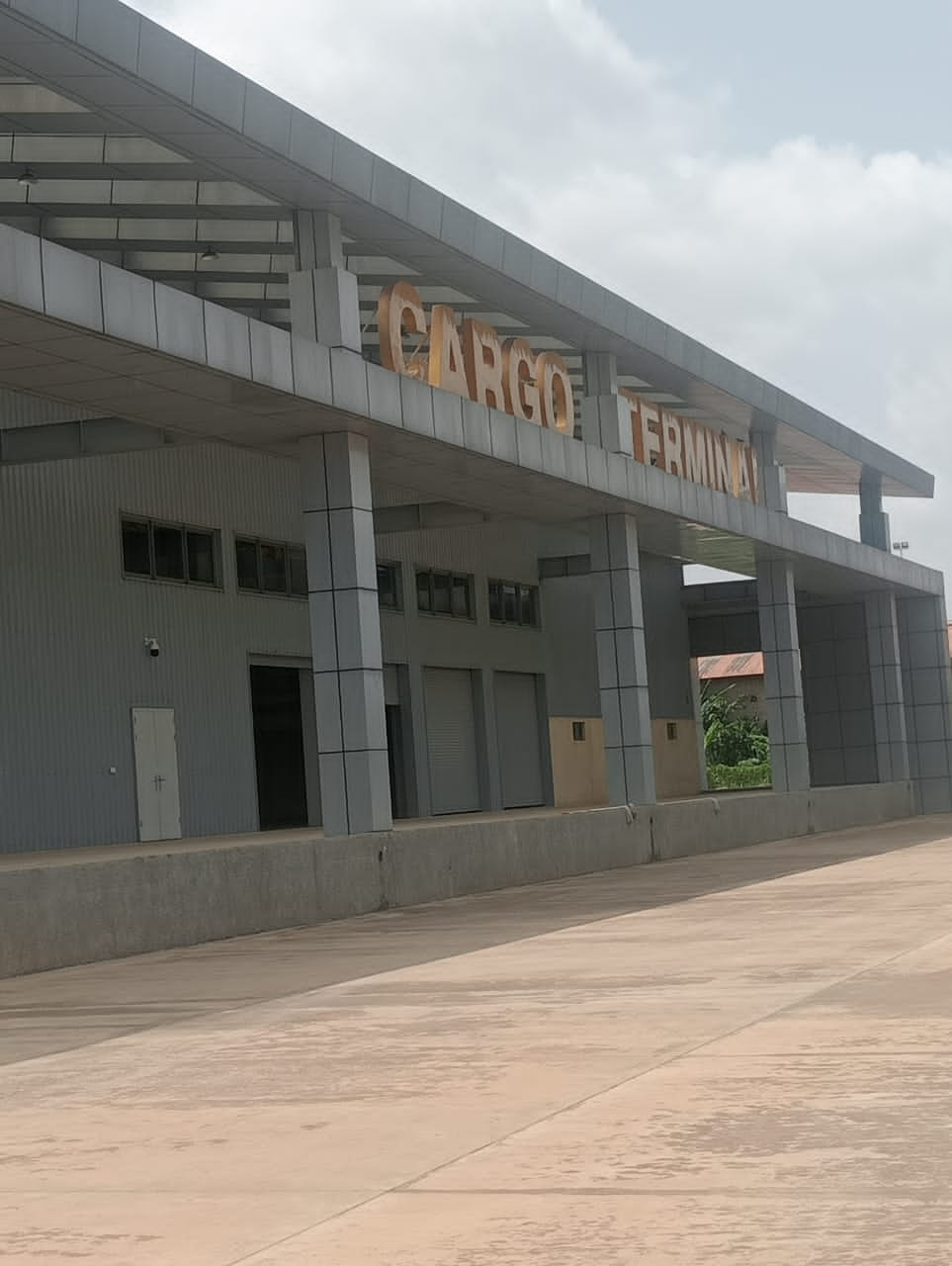
For years, Nigeria’s airport cargo corridors bustled with activity while revenue quietly slipped through systemic cracks. Today, the story is changing.
Fresh operational reforms driven by the Federal Airports Authority of Nigeria’s, FAAN, Cargo Development and Services Directorate are reshaping cargo operations across the country’s major gateways, delivering what insiders describe as one of the most significant turnarounds in revenue assurance within the sector in recent times.
An internal performance review shows that even with cargo volumes dipping in 2025 compared with the previous year, FAAN’s earnings from cargo operations have risen, a rare outcome that signals tighter controls and improved efficiency rather than increased traffic.
At the heart of the turnaround is a deceptively simple but critical adjustment: moving FAAN operational and revenue officers back into cargo warehouses.
That shift, combined with stricter monitoring of unaccompanied luggage, has closed loopholes that long allowed earnings to slip through the system unnoticed.
The impact is already visible in the warehouses operated by Nigeria’s two major ground handlers, NAHCO and SAHCO, where collection processes have become more transparent and leakages significantly curtailed.
Encouraged by early gains, FAAN is moving quickly to lock in the progress. Plans are underway to overhaul courier charging methods, replacing broad shipment-based calculations with per-kilogram billing that industry officials say will eliminate long-standing grey areas exploited within the system.
Simultaneously, discussions with airlines, customs officials, ground handlers and licensed agents are targeting another persistent revenue drain, baggage handling practices linked to frequent-flyer movements through passenger terminals.
Operational security is also tightening. Enhanced access control measures are already improving compliance across terminals, while infrastructure upgrades at Lagos’ General Aviation Terminal and structured cargo expansion plans for Abuja signal FAAN’s intent to match improved revenue systems with better facilities.
A critical piece of the transformation puzzle is the push to integrate Nigeria’s cargo processes into the National Single Window platform, a digital framework expected to streamline clearance procedures and eliminate inefficiencies that have dogged cargo logistics for decades.
Regulatory cooperation is also deepening, with FAAN working closely with the NCAA and freight-forwarding regulators to ensure operators align with international cargo handling standards.
With operational leakages largely sealed, FAAN now believes conditions are right to activate its long-delayed tariff adjustment from February 2, 2026.
The increase had been postponed in 2025 after internal reviews showed that higher tariffs alone would not translate into improved earnings while systemic losses persisted.
Now, officials argue, every naira earned stands a better chance of reaching FAAN’s books.
Industry observers see the reforms as evidence that operational discipline, rather than traffic growth alone, may hold the key to improving aviation revenue streams in Nigeria.
For FAAN, the early results vindicate the creation of the Cargo Development and Services Directorate, a move championed by the aviation ministry and backed by the authority’s leadership to reposition cargo operations as a reliable pillar of non-aeronautical revenue growth.
And as cargo sheds across Nigeria’s airports hum back to life each night, one message is becoming clearer: efficiency, not just volume, is now driving the numbers.